


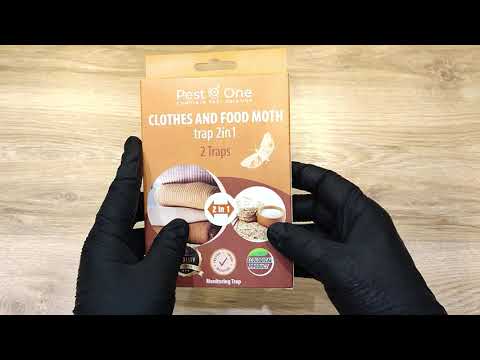


Signs of Moth Infestation UK – How to Spot Moths Early
Signs of Moth Infestation UK – How to Spot Moths Early
Moth infestations are a growing problem in UK homes, especially in wardrobes, carpets, and kitchen cupboards. The biggest mistake homeowners make is spotting moths too late — by the time visible damage appears, the infestation is already established.
If you can identify the early signs of moth infestation, you can act quickly and prevent costly damage to clothes, fabrics, and food. In this guide, we’ll show you exactly how to spot moths early and what to do next.
🦋 Why Early Detection of Moths Is So Important
Moths themselves are not the main problem — it’s their larvae that cause damage. These tiny larvae feed on natural fibres like wool, carpets, and stored food, often going unnoticed for weeks.
By the time you see holes in clothes or webbing in corners, moth larvae have already been active for a while. That’s why recognising early warning signs is key to stopping the infestation quickly.
🔍 1. Small Flying Moths in Your Home
The first and most obvious sign is seeing small moths flying around your home, especially in:
- Bedrooms and wardrobes
- Carpeted areas
- Kitchens or food storage areas
Clothes moths tend to avoid light and stay hidden, while pantry moths are more visible and often seen near ceilings or lights.
🧥 2. Damage to Clothes and Fabrics
If you notice irregular holes in clothing, especially wool, silk, or cashmere, this is a strong sign of moth larvae activity.
Common areas to check include:
- Stored clothing
- Carpets and rugs
- Upholstered furniture
This type of damage is often one of the clearest signs of moth infestation in UK homes.
🧺 3. Webbing, Cocoons or Larvae
Moth larvae create fine silk webbing as they feed. You may notice:
- Silky threads in corners or fabric folds
- Small white larvae (caterpillar-like)
- Tiny cocoons attached to surfaces
These are strong indicators that moths are actively breeding in your home.
🌾 4. Contaminated Food (Pantry Moths)
If you find clumps, webbing, or small insects in food products like flour, rice, or cereals, you may have a pantry moth infestation.
Look for:
- Webbing inside packaging
- Small larvae in dry foods
- Moths flying near cupboards
📦 5. Eggs in Hidden Areas
Moth eggs are extremely small and difficult to see, but they are often laid in dark, undisturbed areas such as:
- Wardrobe corners
- Under carpets
- Inside storage boxes
Even if you can’t see the eggs directly, the presence of larvae or damage confirms activity.
⚠️ Where Moths Hide in UK Homes
Moths prefer dark, quiet areas where they can breed undisturbed. Common hiding spots include wardrobes, under furniture, behind skirting boards, and inside cupboards.
Understanding where moths hide helps you detect infestations earlier and take action faster.
🚀 What To Do If You Spot These Signs
If you’ve noticed any of the signs above, it’s important to act quickly. The most effective next step is to monitor moth activity using pheromone traps designed for clothes and pantry moths.
These traps help you:
- Detect moth activity early
- Identify infestation areas
- Monitor ongoing presence
👉 Recommended next step: Use moth traps to monitor activity and stop the infestation from spreading further.
🛒 Related Guides You Should Read
- How to Get Rid of Moths UK – Step-by-Step Guide
- Best Moth Traps UK – What Actually Works
- Clothes Moth vs Food Moth – Key Differences
✅ Final Thoughts
Spotting the signs of moth infestation early can save you time, money, and damage to your home. The sooner you identify the problem, the easier it is to manage.
Regular monitoring, especially in wardrobes and kitchens, is the best way to stay ahead of moth problems in UK homes.
Editor’s Picks


- £6.99
- £6.99
- Unit price
- per


- £6.99
- £6.99
- Unit price
- per


- £6.99
- £6.99
- Unit price
- per


- £6.99
- £6.99
- Unit price
- per

- £8.99
- £8.99
- Unit price
- per


- £12.99
- £12.99
- Unit price
- per


- £12.99
- £12.99
- Unit price
- per


- £10.99
- £10.99
- Unit price
- per


- £21.99
- £21.99
- Unit price
- per


- £13.99
- £13.99
- Unit price
- per


- £13.99
- £13.99
- Unit price
- per

- £16.99
- £16.99
- Unit price
- per


- £15.99
- £15.99
- Unit price
- per


- £16.99
- £16.99
- Unit price
- per


- £13.99
- £13.99
- Unit price
- per


- £16.99
- £16.99
- Unit price
- per


- £15.99
- £15.99
- Unit price
- per


- £15.99
- £15.99
- Unit price
- per


- £15.99
- £15.99
- Unit price
- per


- £18.99
- £18.99
- Unit price
- per