




Clothes, Carpet & Food Moths UK – Identification Guide
Clothes Moths, Carpet Moths & Food Moths UK – Complete Identification & Control Guide
Moth infestations are becoming increasingly common across UK homes, affecting clothing, carpets and stored food. Whether you are dealing with clothes moths, carpet moths or food moths, early identification is critical to preventing damage and stopping the infestation from spreading.
In this complete UK guide, we explain how to identify different types of moths, what attracts them into your home, and the most effective ways to control them using safe, modern monitoring solutions.
🐛 Types of Moths Found in UK Homes
1. Clothes Moths (Wardrobe & Fabric Moths)
Clothes moths are one of the most destructive indoor pests in the UK. The most common species include Tineola bisselliella and Tinea pellionella.
- Found in wardrobes, drawers, carpets and upholstery
- Feed on natural fibres such as wool, silk, fur and cashmere
- Cause holes in clothing and soft furnishings
- Prefer dark, undisturbed areas
Key sign: Small irregular holes in clothes or fabrics.
2. Carpet Moths
Carpet moths are closely related to clothes moths but primarily attack carpets, rugs and floor coverings.
- Common in bedrooms, under furniture and along skirting boards
- Damage wool carpets and rugs
- Larvae cause patchy areas and thinning fibres
Key sign: Bald patches or worn areas in carpets.
3. Food Moths (Pantry Moths)
Food moths, also known as pantry moths, infest dry food products such as flour, rice, cereals and pet food.
- Found in kitchen cupboards and food storage areas
- Contaminate food with larvae and webbing
- Multiply quickly if left untreated
Key sign: Webbing inside food packaging or small larvae in dry foods.
⚠️ What Attracts Moths into Your Home?
Moths are attracted to environments where they can feed and reproduce safely. Common causes include:
- Unwashed clothing or fabrics with body oils
- Natural fibre materials (wool, silk, carpets)
- Dark, undisturbed storage areas
- Open or poorly sealed food containers
- Warm indoor temperatures
🔍 Signs of a Moth Infestation
- Flying moths in bedrooms, wardrobes or kitchens
- Larvae or cocoons in corners and fabric folds
- Damage to clothes, carpets or food
- Silky webbing in food packaging
🚫 How to Get Rid of Moths in the UK
Step 1: Deep Cleaning
Vacuum carpets, wardrobes, skirting boards and storage areas thoroughly. Dispose of vacuum contents immediately.
Step 2: Remove Infested Items
Wash, dry clean or dispose of contaminated clothing and food products.
Step 3: Use Monitoring Traps
Modern pheromone-based sticky traps are one of the most effective ways to monitor moth activity and detect infestations early.
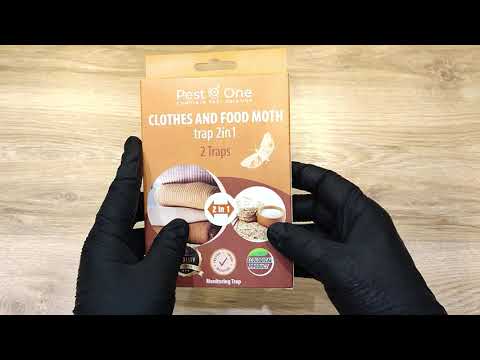
Clothes & Pantry Moth Monitoring Traps
✔ Detect moth activity early
✔ Helps identify infestation areas
✔ Easy to use at home
Shop Moth Traps →
Step 4: Prevent Future Infestations
- Store clothes in sealed containers
- Clean wardrobes regularly
- Keep food in airtight containers
- Use traps for ongoing monitoring
💡 Clothes Moths vs Carpet Moths vs Food Moths
| Type | Where Found | Damage | Main Target |
|---|---|---|---|
| Clothes Moths | Wardrobes | Holes in clothes | Wool, silk |
| Carpet Moths | Carpets | Patchy damage | Rugs, flooring |
| Food Moths | Kitchens | Food contamination | Dry food |
📌 Final Thoughts
Moths may seem harmless, but they can cause serious damage if left untreated. The key to effective control is early detection, regular monitoring and maintaining a clean environment.
By understanding the differences between clothes moths, carpet moths and food moths, you can take targeted action and protect your home more effectively.
Editor’s Picks


- £6.99
- £6.99
- Unit price
- per


- £6.99
- £6.99
- Unit price
- per


- £6.99
- £6.99
- Unit price
- per


- £6.99
- £6.99
- Unit price
- per

- £8.99
- £8.99
- Unit price
- per


- £12.99
- £12.99
- Unit price
- per


- £12.99
- £12.99
- Unit price
- per


- £10.99
- £10.99
- Unit price
- per


- £21.99
- £21.99
- Unit price
- per


- £13.99
- £13.99
- Unit price
- per


- £13.99
- £13.99
- Unit price
- per

- £16.99
- £16.99
- Unit price
- per


- £15.99
- £15.99
- Unit price
- per


- £16.99
- £16.99
- Unit price
- per


- £13.99
- £13.99
- Unit price
- per


- £16.99
- £16.99
- Unit price
- per


- £15.99
- £15.99
- Unit price
- per


- £15.99
- £15.99
- Unit price
- per


- £15.99
- £15.99
- Unit price
- per


- £18.99
- £18.99
- Unit price
- per